Every brand wants loyal customers.
Customers who come back.
Customers who spend more.
Customers who choose them—even when alternatives exist.
But many businesses are unintentionally training the exact opposite behavior.
Wait for the discount.
Delay the purchase.
Avoid paying full price.
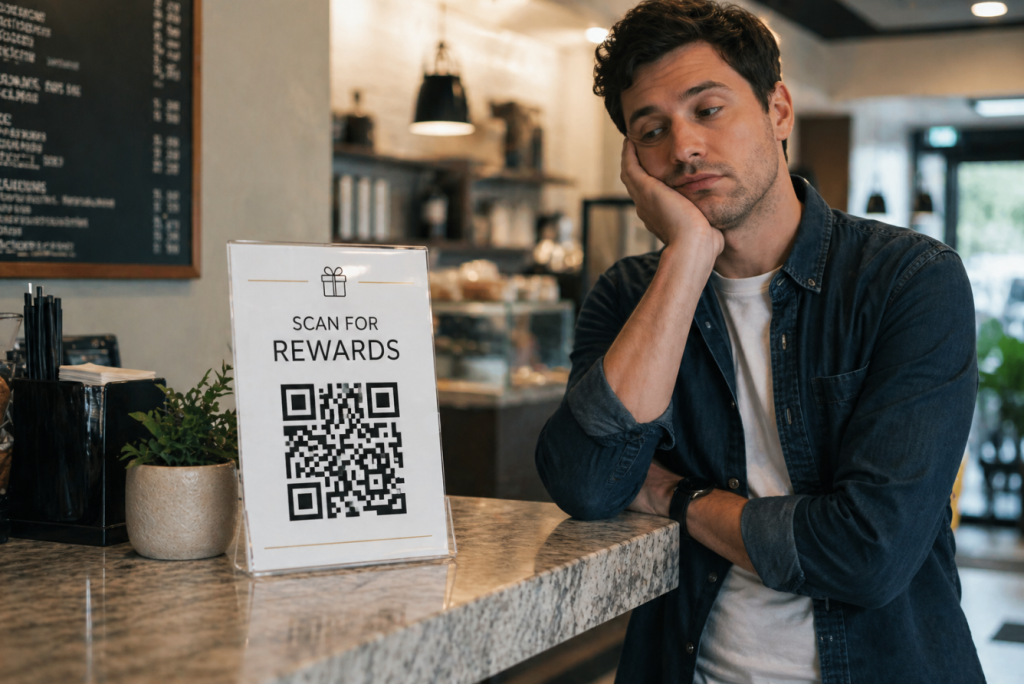
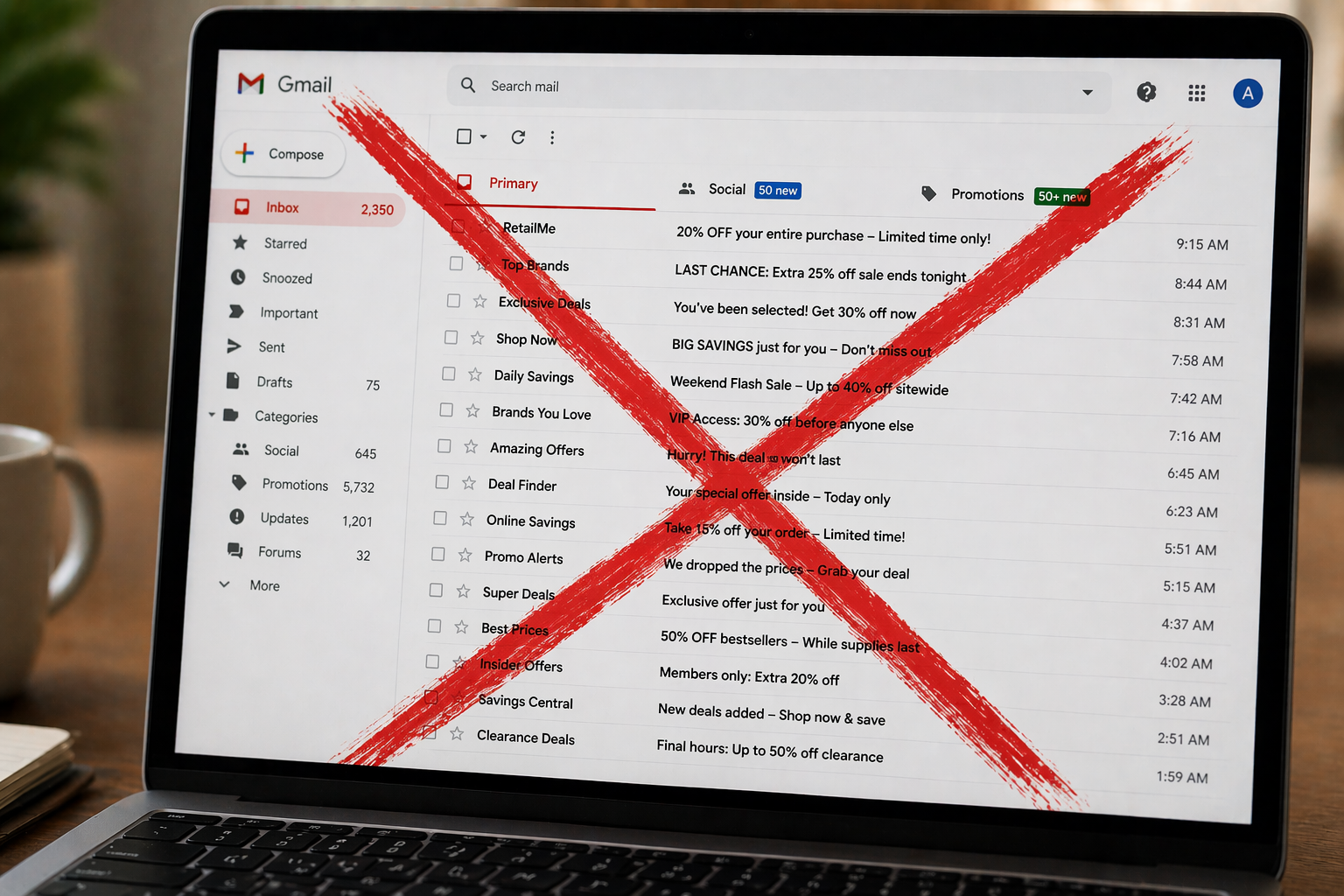
This is the unintended consequence of coupon culture.
And while it often looks like it’s working, the long-term impact tells a very different story.
The Illusion of Performance
Coupons feel effective because they produce immediate results.
Traffic increases.
Conversions spike.
Revenue ticks up.
On the surface, it’s easy to justify.
But what’s actually happening is not always growth—it’s acceleration.
Demand that already existed is simply being pulled forward.
Customers who were going to buy anyway are now buying sooner—and at a lower margin.
The numbers move, but the underlying behavior hasn’t improved.
In many cases, it’s been reshaped in a way that creates long-term dependency.
The Behavioral Shift No One Talks About
The most significant impact of discounting isn’t financial.
It’s behavioral.
Coupons train customers to think differently about your brand.
Over time, they learn:
There’s no urgency to buy now.
There will always be another offer.
The full price isn’t real.
This conditioning is subtle, but powerful.
A customer who might have purchased at full price begins to wait.
A customer who used to act on impulse begins to delay.
What started as a short-term tactic becomes a long-term expectation.
And once that expectation is set, it’s incredibly difficult to reverse.
When Loyalty Becomes Conditional
There’s an important distinction that often gets overlooked.
Loyalty is based on preference.
Discount-driven behavior is based on conditions.
If a customer only returns when there’s a promotion, they aren’t loyal—they’re responsive.
They haven’t chosen your brand.
They’ve chosen the incentive.
This creates a fragile relationship.
The moment a competitor offers a better deal, the connection disappears.
What appears to be loyalty is often just temporary alignment.
The Quiet Erosion of Margin
Beyond behavior, there’s a more direct cost.
Discounting reduces the value of every transaction.
Margins shrink.
Profitability tightens.
Flexibility disappears.
And unlike many marketing expenses, discounts are not fixed.
They scale with every transaction.
The more successful the campaign appears, the more it costs.
Over time, this creates a structural challenge.
You’re not just spending to acquire customers—you’re giving away value to retain them.
And in many cases, you’re doing both simultaneously.
What Discounts Signal About Your Brand
Pricing communicates more than most businesses realize.
It shapes perception.
Frequent discounting sends a message:
This product is negotiable.
This brand competes on price.
This experience is interchangeable.
Even if unintentional, the signal is clear.
Instead of building differentiation, discounting reinforces commoditization.
Customers begin to compare based on cost, not value.
And once that shift happens, it’s difficult to move the conversation back.
The Long-Term Trap
Coupon culture rarely feels dangerous in the moment.
It’s gradual.
A promotion here.
A campaign there.
A small adjustment to drive results.
But over time, it creates a cycle.
Customers expect discounts.
Businesses rely on them.
Competitors match them.
The result is a race to the bottom.
Margins shrink.
Brand value erodes.
Customer expectations increase.
And the original goal—building loyalty—becomes harder to achieve.
A Different Approach: Value Instead of Incentive
There’s another way to drive action.
One that doesn’t rely on reducing price.
It starts with a simple shift:
Instead of asking, “How do we make this cheaper?”
Ask, “How do we make this more valuable in the moment?”
Customers don’t need to be convinced to act when something is immediately useful.
They respond naturally.
To convenience.
To utility.
To relevance.
Especially when it aligns with what they’re already experiencing.
This is where behavior changes.
Not because of pressure or persuasion, but because of timing and value.
The Role of the Moment
Customer behavior doesn’t change randomly.
It changes in specific moments.
Moments of need.
Moments of attention.
Moments where action feels easy.
Most traditional marketing operates outside of these moments.
It interrupts.
It reminds.
It persuades.
But it doesn’t align with the context the customer is actually in.
When you align value with the moment, the dynamic shifts.
Engagement becomes a reaction, not a decision.
Where BLOKK Fits In
BLOKK is built around this principle.
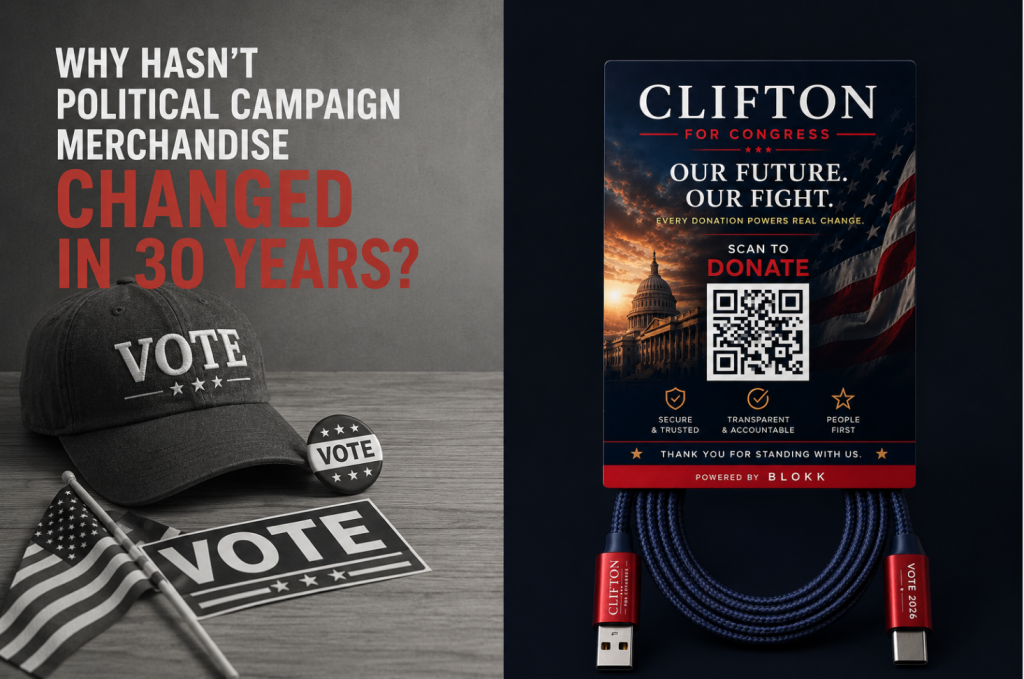
Not as a replacement for marketing—but as a different layer of it.
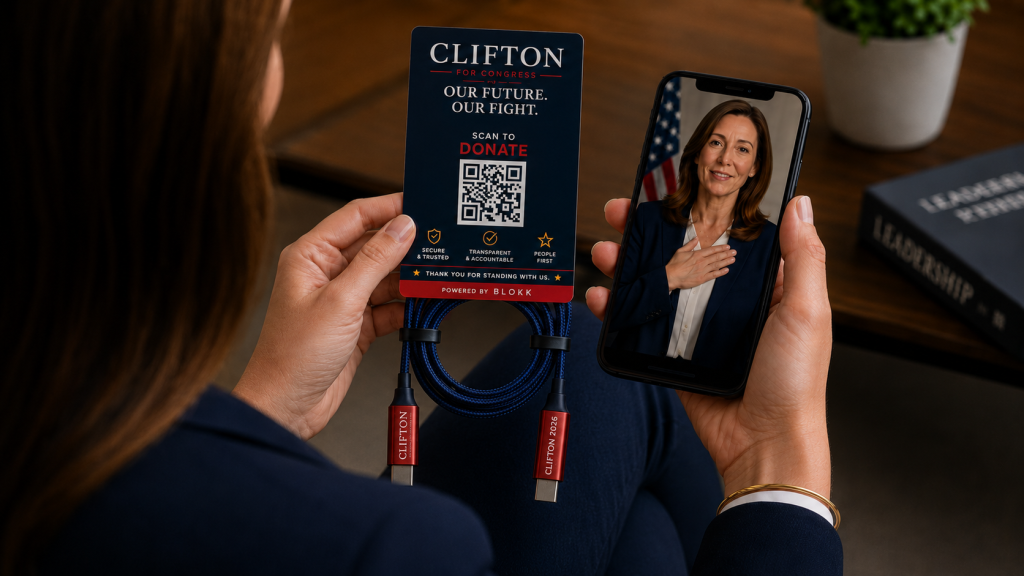
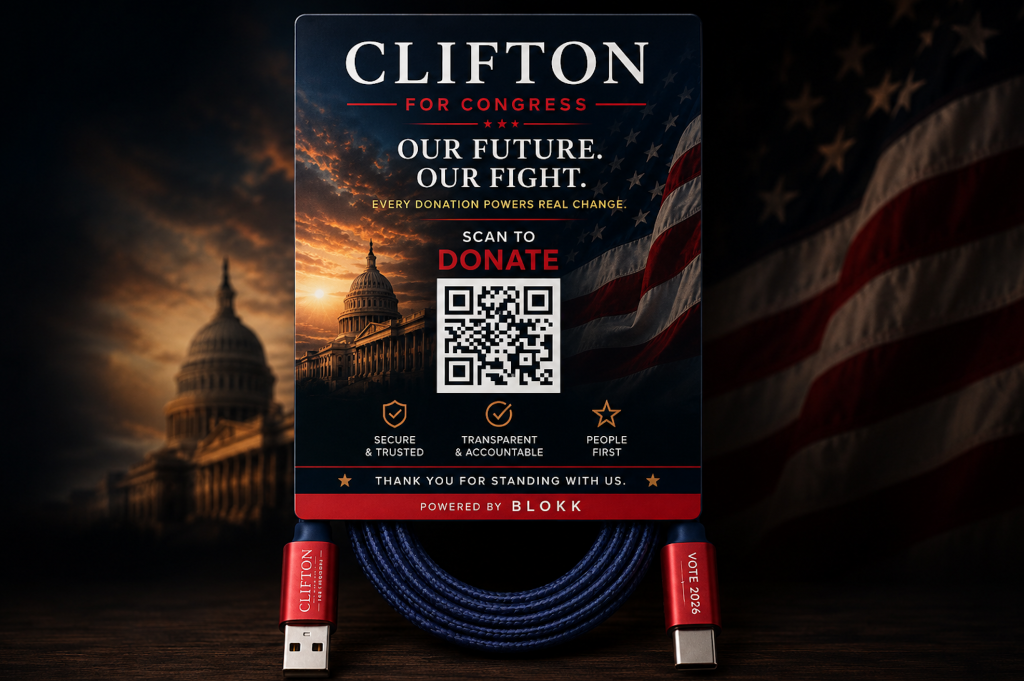
Instead of relying on discounts to drive action, BLOKK focuses on creating real-world moments of value that naturally lead to engagement.
The idea is simple:
If you give customers something genuinely useful at the right time,
you don’t have to convince them to act.
You don’t have to reduce your price.
You don’t have to chase behavior.
You create the conditions for it.
A small, practical utility—delivered at the right moment—can generate the same outcomes that discounts aim to achieve, without the long-term cost.
It turns engagement into something that feels earned, not incentivized.
Rethinking What Drives Loyalty
The strongest customer relationships are not built on incentives.
They’re built on experiences.
On consistency.
On relevance.
On moments where the brand adds value without asking for something in return.
This is where real loyalty is formed.
Not because the customer is getting a deal.
But because they’re getting something that matters.
Something that feels useful, timely, and aligned with their needs.
The Shift Forward
Discounting will always have a place.
There are situations where it makes sense.
But as a primary strategy for driving engagement and retention, it comes with tradeoffs that are often underestimated.
The opportunity isn’t to eliminate discounts entirely.
It’s to reduce dependence on them.
To find ways to drive behavior that don’t compromise margin or brand perception.
To create engagement that feels natural, not conditional.
Final Thought
The goal isn’t to make your product cheaper.
It’s to make your brand more valuable in the moments that matter.
Because the strongest customer relationships aren’t built on incentives.
They’re built on experience, timing, and value.
And the brands that understand that will have an advantage that no discount can replicate.