Convenience stores across Florida, the Southeast, and high-traffic tourist corridors consistently report that once customers experience anxiety about losing power, they stop evaluating price as the primary decision factor. Whether they ask for a USB to USB-C cable, a Type-C fast charger, or even a universal option, the buyer’s priority becomes solving the problem before it worsens. This transition is one of the most reliable revenue drivers in the retail ecosystem, and understanding it is key for stores interested in maximizing profit per customer interaction.
The Psychological Shift That Happens When Batteries Hit 3%
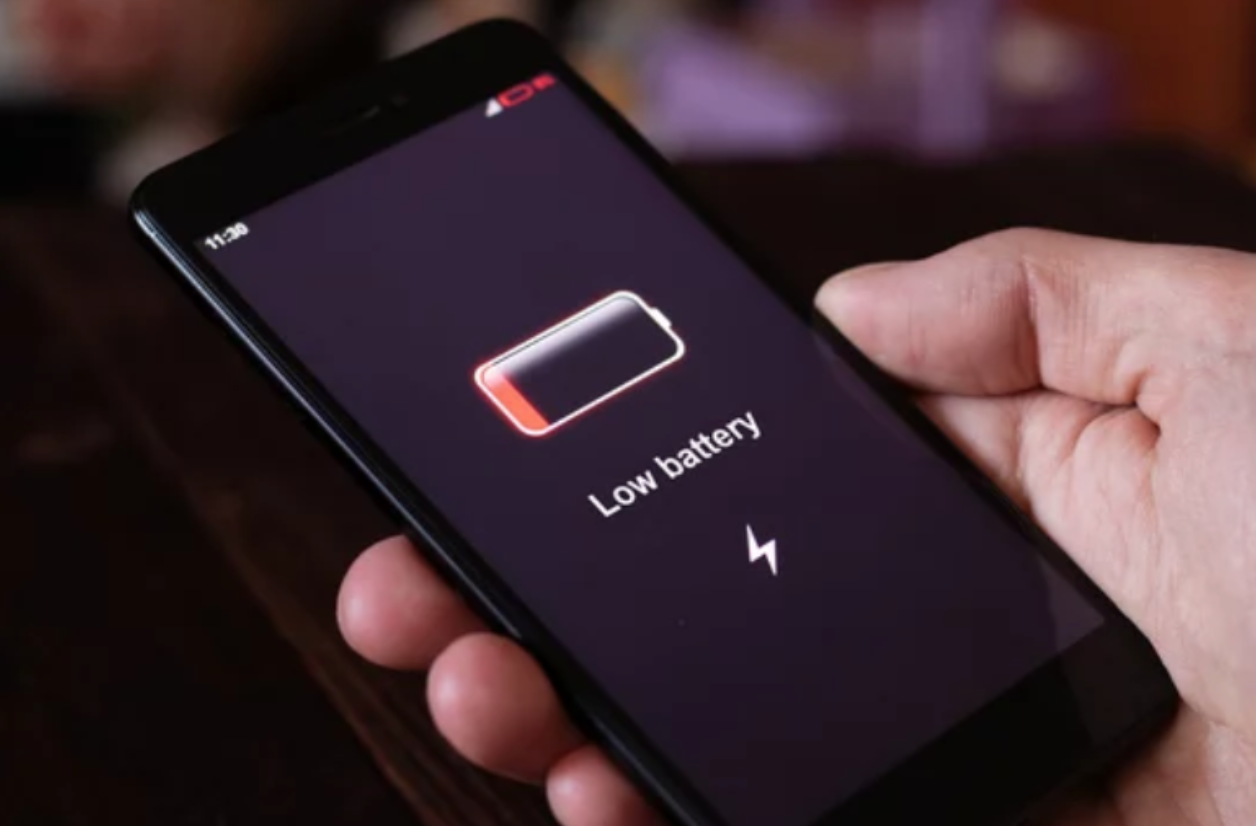
There are few retail triggers stronger than battery panic. Low power disrupts navigation, mobile payments, communication with family, and access to rideshare apps. When a customer realizes their device might die in the middle of travel or an unfamiliar area, the emotional state shifts abruptly from relaxed to urgent. Retail experts refer to this as a “moment of vulnerability”—a period where the customer feels exposed and highly motivated to fix the problem.
Consumers in this state don’t hunt for discounts. They want reliability, immediate availability, and trust in the product. This is why convenience stores consistently outperform larger retailers on charging cable margins. The same cable that sells for $9.99 to $12.99 at a national chain can often command an equal—or higher—price at a convenience store, as long as it looks dependable, is packaged cleanly, and solves the customer’s problem on the spot.
Many retailers in tourist-heavy markets such as Orlando lean on USB cables wholesale companies USA for a dependable supply of fast-charging USB-C products that meet customer expectations. The visitor demographic often needs reliable cables due to lost luggage, broken cords, or incompatible accessories—each scenario amplifying the urgency of the sale.
How Convenience Stores Leverage Low-Resistance Purchasing
Convenience stores succeed when they understand that customers in urgent need don’t compare prices or question whether a cable should cost $8.99, $10.99, or even $14.99. They focus on whether the product will work right now. When the psychological barrier drops, the store gains freedom to offer higher-quality products without worrying that customers will push back on cost. This is where the low threshold sale shines.
The effectiveness of this pricing strategy depends heavily on the reliability of the products you carry. A customer facing battery panic will not buy from a store twice if the cable they purchased fails. This is why the most successful stores partner with wholesalers that guarantee consistent performance. Retailers looking to understand this deeper often turn to insights like how the right wholesaler solves more problems, especially when urgency and trust drive the majority of sales.
Why USB-C Amplifies the Low Threshold Effect
USB-C cables aren’t just more modern—they’re now the primary charging standard for Android phones, tablets, laptops, and accessories. As major manufacturers transition away from older USB formats, customers increasingly seek fast-charging, durable USB-C options that feel dependable. This creates an advantage for stores that source from wholesale USB-C cables distributors who focus on durability and compatibility.
This shift is especially relevant in the wake of global decisions pushing toward universal charging standards. Retailers who want perspective on how these decisions affect their shelves often refer to analyses such as the impact of Europe’s USB-C legislation, which outlines why USB-C will dominate retail for the next decade.
In practice, USB-C cables deliver faster charging and handle higher power loads, which increases customer confidence during an urgent purchase. When someone is down to 2% battery, a fast-charging USB-C cable feels like a lifeline. This benefit reduces price sensitivity even further.
Why Product Quality Matters Even More During Urgent Purchases
A desperate customer is willing to pay more, but only if the product appears trustworthy. Packaging, material, durability, and brand presentation dramatically influence confidence. Nylon-braided cables often outperform TPE cables due to their resistance to fraying and tangling—two factors that matter greatly to someone who needs their phone to charge reliably on the go.
Retailers exploring durable options often reference comparisons like why nylon-braided chargers outperform TPE, especially when they’re selecting products that must perform consistently during urgent use cases. Customers forgive a higher price but never forgive a cable that doesn’t work when they need it most.
The quality factor also influences repeat visits. When a customer buys a cable that works flawlessly, they associate the store with reliability. This improves the likelihood of return business across other product categories—from beverages to fuel to snacks.
The Local Market Advantage: When Proximity Drives the Sale
Retailers often underestimate how much local context influences urgent purchases. A traveler who needs a cable doesn’t want to wait for shipping—they need something they can buy now. This is why search trends reveal high demand for terms like USB cables wholesale companies near me and cable wholesale near me. Retailers position themselves as the immediate solution, which is a competitive advantage even large online retailers can’t match.
Stores located near airports, major highways, and tourism districts feel the effects of this dynamic the most. Many depend on fast, predictable restocking options offered through local or regional wholesalers. Retailers who want to build a reliable supply chain often find success reviewing wholesale charging accessories inventories that match real-world customer needs.
Convenience stores near major attractions, especially around central Florida, also gain an advantage through products sourced from reputable suppliers within the region. The reduced lead times and consistent stock availability ensure retailers never miss a sale due to out-of-stock inventory.
The Role of Domestic Wholesalers in Maximizing Urgency-Based Sales
Domestic wholesalers provide faster shipping, fewer defects, and more predictable packaging quality—all critical factors when a store relies on accessory sales to capture urgent demand. Many retailers compare American wholesalers versus overseas suppliers to understand why domestic options are often more profitable in the long run.
The reliability of domestic suppliers also supports stores that want to maintain higher price points. When products look and feel like premium items, customers don’t question paying $9.99 or even $12.99 for a cable. This effect intensifies during panic-driven purchases where time and trust matter more than price.
Retailers looking to understand their supplier’s value often explore company backgrounds, such as the profiles found in About Us pages for industry wholesalers, which showcase the experience and mission behind the products.
Comparing Cable Quality: Why Cheap Isn’t Cheaper
A cable that fails costs you more than just the wholesale price—you also lose credibility, repeat business, and additional purchases the customer might have made. Cheap cables may appear profitable on paper, but when failure rates increase, so do customer complaints. Stores that work with the best USB cables wholesale companies often report lower defects, fewer returns, and higher margins.
A high-quality USB to USB-C cable adds legitimacy to your accessory section. Modern smartphones depend on fast charging and thicker gauge wiring, so cables built to handle these requirements elevate customer trust. Cheap cables not only slow charging but often fail within days, creating friction for both the customer and the retailer.
Real-World Scenarios: How Battery Emergencies Boost Revenue
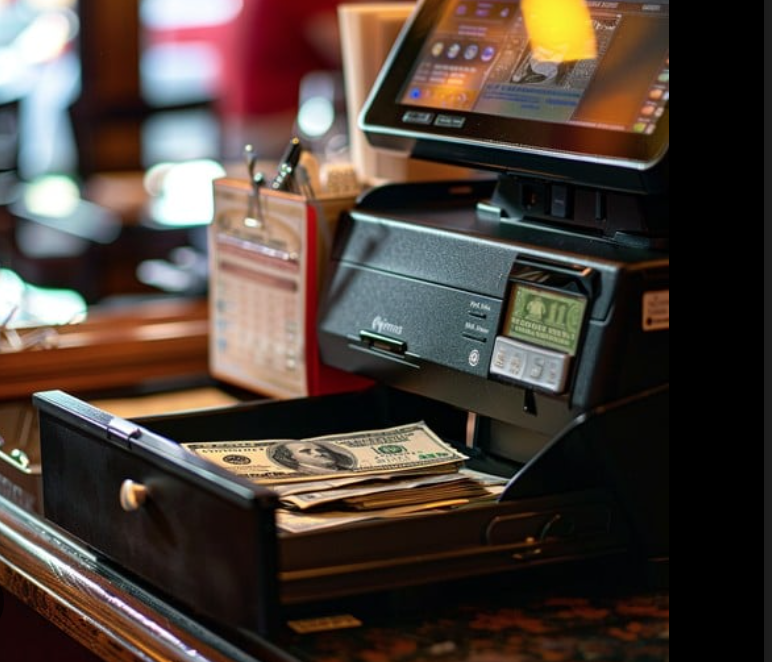
Whether it’s a rideshare driver rushing to complete their shift, a parent traveling through unfamiliar areas, or a tourist trying to capture memories, the situation is the same: a dead phone is a crisis. Customers buy the first reliable solution they see. This is why placing cables near registers, fuel counters, and high-visibility zones significantly increases conversions.
The urgency-driven purchase blends seamlessly with other retail strategies. Some stores rely on insights from profit vs. price comparisons to understand how even a small improvement in perceived value can enhance margins—especially when customers are not sensitive to price during battery emergencies.
Building a Consistent Accessory Strategy
Successful convenience stores don’t just carry charging accessories—they curate them. A strategic selection of USB-C cables, adapters, and charging kits allows stores to appeal to a wide range of urgent needs. Retailers evaluating product performance often look at how wall chargers have shifted to USB-C and how that shift influences inventory decisions for 2025 and beyond.
Among the most effective long-term strategies is integrating products that align with evolving device standards. USB-C dominance ensures that carrying high-quality cables increases both sales and customer loyalty. Customers who trust your accessories trust your store.
Final Thoughts: Why Shoppers Drop Price Resistance When Power Is Low
Convenience stores thrive because they solve urgent problems quickly. When a customer sees their battery icon turning red, the perceived value of a dependable cable skyrockets. At that moment, the shopper isn’t comparing price tags—they’re buying peace of mind. And as long as the product looks reliable and performs well, retailers have every reason to price cables at $8.99, $10.99, or even higher.
By understanding the psychology of battery panic, carrying premium USB-C products, and partnering with reliable wholesalers, convenience stores can transform a simple accessory into one of the highest-margin items in the entire store. The low threshold sale is more than a retail concept—it’s a consistent revenue engine that rewards stores prepared for customers who need a charging solution right now.
Stores that master this dynamic not only increase margins but also build trust with customers who depend on them in urgent moments. And that trust, once earned, pays off long after the cable has charged their phone.