
From Copper to Cable: How BLOKK Nylon Charging Cables Are Made
From Copper to Cable: How BLOKK Nylon Charging Cables Are Made
Inside the Build: How BLOKK Nylon Cables Are Engineered for Real-World Durability
Every BLOKK nylon cable you hold in your hand tells a story — one of precision engineering, durable materials, and modern craftsmanship. Behind the sleek nylon braid and fast-charging performance is a surprisingly complex process that blends electrical engineering with textile manufacturing — the very mindset that informs our Durability by Design standard and the promise behind Strong. Fast. Reliable.
The Core Begins with Raw Materials
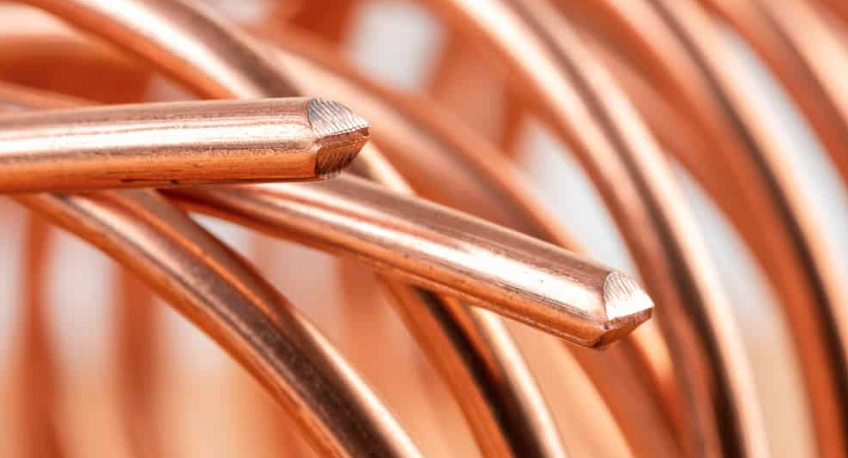
Every great cable starts with its heart: the copper conductor. BLOKK uses high-purity copper for conductivity and flexibility. Large copper rods are drawn through progressively smaller dies to reach precise wire gauges; after drawing, the copper is annealed — a controlled heat treatment that relieves internal stresses and restores ductility (see a concise overview of annealing’s purpose in Britannica). This ensures our cables stay reliable through thousands of bends, a requirement that also shapes the specs of our Essentials Series.
Building the Conductor
Rather than a single thick core, BLOKK uses multiple fine copper strands twisted together. This multi-strand design balances current capacity with flexibility, which is why you’ll feel the same supple performance in both Essentials and the performance-forward Ultra tier.
Insulation: Protecting the Power
Once the conductor is ready, we apply insulation using precision extrusion — forming a smooth, uniform dielectric layer that resists heat and remains pliable. The material selection and wall thickness target long-term safety and handling, consistent with our approach to retail environments where products must feel trustworthy at first touch.
Shielding Against Interference
Because modern cables carry both power and data, they must resist electromagnetic interference (EMI). BLOKK incorporates aluminum foil wraps and fine copper braids beneath the jacket to reduce crosstalk and preserve signal integrity — design choices that help cables perform reliably in dense, electronics-heavy spaces like front desks, counters, and kiosks described in our impulse-placement playbook.
The Magic of the Nylon Jacket
Our signature braided nylon sheath is applied with precision braiding machines that interlace dozens of filaments at speed. Nylon’s abrasion resistance and flex life make it ideal for daily wear — properties widely cited by materials leaders like DuPont. The result is a cable that resists tangles, survives toss-in-the-bag abuse, and keeps its premium hand-feel — a tactile experience aligned with BLOKK’s performance promise.
Connector Fabrication and Termination
While the cable body is built, connectors are fabricated from precision shells and plated contacts. Stripped conductors are soldered or crimped to pins, then secured with overmolding to create a robust strain-relief — protecting the number-one failure point in ordinary cords. This is the same reliability standard that makes our cables a safe recommendation in repair environments where trust matters.
Assembly, Inspection, and Visual Finish
After termination, the braid is trimmed and sealed to prevent unraveling. Length, crimp integrity, molding quality, and cosmetic details are checked line-side so the product that reaches your counter looks as solid as it performs — important for presentation in retail and hospitality points of sale.
Rigorous Testing and Quality Control
Before a cable earns the BLOKK logo, it passes continuity, insulation-resistance, bend/flex, pull, and abrasion tests — practices aligned with widely adopted harness and cable assembly acceptability benchmarks like IPC/WHMA-A-620. If a unit fails any step, it doesn’t ship. That’s how we protect your guest experience and your brand when deploying accessories at the front desk or in vending layouts covered in our vending guidance.
Design Meets Engineering
Colorfast nylon weaves, matte or metallic connector finishes, and a tight braid pattern deliver a premium, grippy hand-feel that reduces tangling and communicates quality immediately — an intentional part of our design spec that supports conversion where customers decide in seconds.
Why Nylon-Braided Cables Matter
Nylon isn’t cosmetic; it’s mechanical. Compared to basic rubberized cords, braided cables better resist fraying, tolerate higher pull forces and bend cycles, stay flexible in varied temperatures, and maintain texture and color over time — practical advantages when stocking amenity programs in hotels, gyms, and travel retail discussed across our sustainable charging framework.
Sustainability and Longevity
Durability reduces waste: a longer-life cable means fewer replacements and fewer discards. Building for longevity is central to our sustainability approach and helps operators minimize obsolete inventory.
Manufacturing Challenges We Manage
Quality nylon-braid construction requires careful control of temperature, tension, moisture, and material compatibility. Nylon absorbs water, so filaments are pre-dried and conditioned to keep braids tight and uniform. Process control here is critical to the consistent feel and performance you expect when you stock BLOKK in high-visibility placements.
The Final Step: Packaging and Presentation
Each cable is coiled and secured in PE bags or retail blister cards designed to protect connectors, avoid tangles, and communicate the product clearly at a glance — packaging that’s proven to move in quick-decision contexts highlighted in our impulse-placement strategy.
From Factory Floor to Your Phone
From copper rod and anneal to nylon braid and overmold, a BLOKK cable passes through dozens of engineered steps and checks before it reaches your shelf. It’s why partners choose BLOKK when they need accessories that convert and keep customers happy — on counters, in kiosks, and beyond.
BLOKK: Strong. Fast. Reliable. If you’re ready to put better-built cables into your retail or amenity program, talk to our team.
Recent posts

Travel doesn’t just change landscapes—it changes behavior. When people step into airports, cruise terminals, hotels,...

In the world of convenience retail, every square inch of shelf space must justify its...
Convenience stores occupy a unique place in the retail world. Customers who walk through those...

Most wholesale buyers understand the basics of cost and markup — but very few truly...